
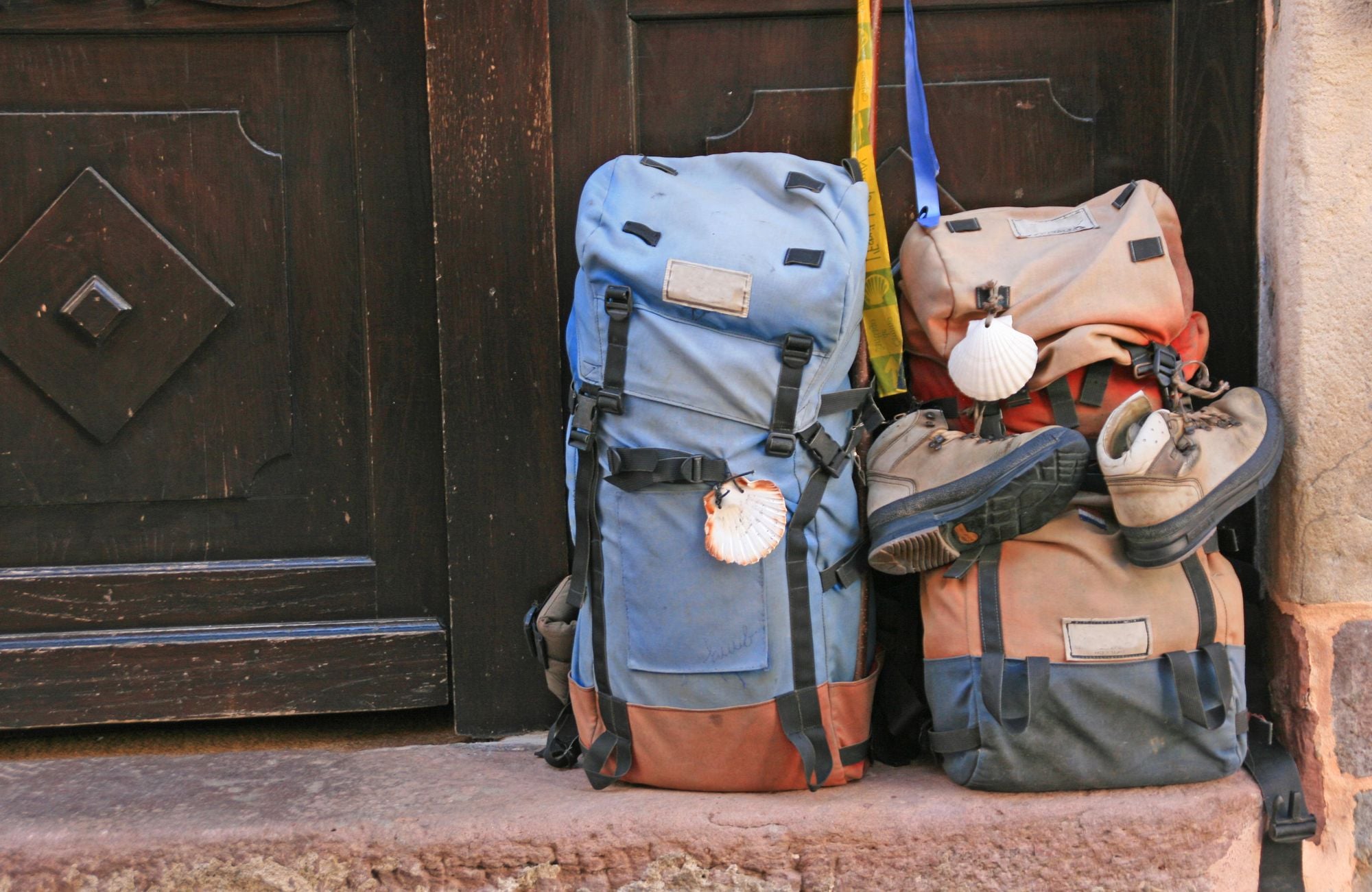
The way you pack a rucksack or backpack for a hiking trip is something of an art form. It's easy to get wrong, and if you do get it wrong, it can ruin your day out - leaving you wobbling from side to side, clutching your back in pain or missing a key item you couldn't quite fit in.
Consider this your masterclass on how to pack a rucksack (or backpack if you prefer). By the end of this article, you’ll know more about packing a rucksack than most people on the planet. You will be able to impress your friends with your supreme knowledge about how to efficiently and effectively pack a rucksack. But, best of all, you'll have that smug feeling of satisfaction, knowing you've packed efficiently - and in the most comfortable way possible. Plus, your bag will still be lighter and more comfortable than the rest of the hiking group.

How to Pack a Rucksack: Considerations
Alright then, you asked for it. This is a far-more-detailed-than-you-ever-wanted guide to how to pack a rucksack. It’s actually not that complicated once you get the basics. Here are the two main things you should be thinking about:
- Weight distribution
- Ease of access for items
We are working with the assumption in this guide that - at the point of packing, you know what to put in your adventure bag. If not you might want to have a look at a wild camping kit list, or an equivalent one for your adventure of choice.
Weight Distribution across your Backpack
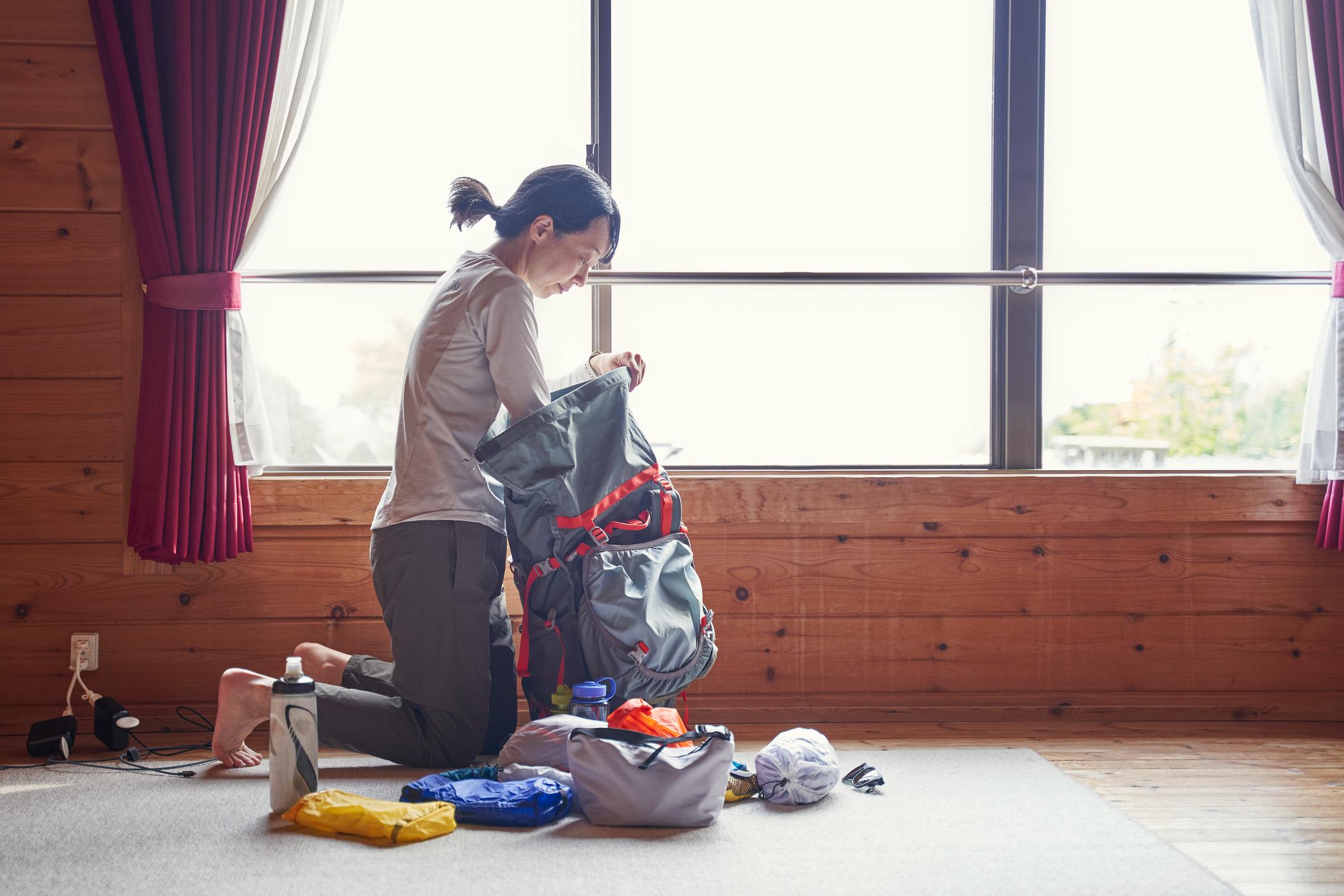
So, you’ve got all your stuff in a nice neat pile (read: strewn all over the floor). What do you put in the bag first? It’s tempting to reach for the biggest, heaviest item and stick that in first. At least you know it’ll fit. Then you might keep adding progressively smaller and lighter items until, victorious, you place your spork and toothbrush on top. Lovely.
Try to pack your rucksack so that the main weight of the rucksack is in the middle-to-bottom of the bag...
This method might be fine if you’re not travelling far - hauling some stuff from house to a car, or bus to train. But we know you lot are an active bunch. Chances are you’re going to be carrying that bag on your back for hours, if not days.
Much Better Adventures
Instead, try to pack your rucksack so that the main weight of the rucksack is in the middle-to-bottom of the bag, and as close to your back as possible - when you’re wearing the rucksack, that is. The trouble with having the weight at the bottom of the bag is that it’ll feel like the rucksack is pulling away from you, particularly if you’re walking uphill. You’ll feel a lot of pressure on your shoulders and you might feel like someone’s pulling you backwards. Imagine tugging on the bottom of a friend’s backpack to simulate this effect.
Ideally, you want the bag’s centre of gravity to be middling. Too high and you’ll be off balance (again, particularly with a 60 litre monster of a rucksack, on a multi-day hike). If you lean too far forwards, you’ll topple over! The Goldilocks rule says that keeping the centre of gravity not too high, but not too low, is just right.
Ease of Access when Packing a Rucksack
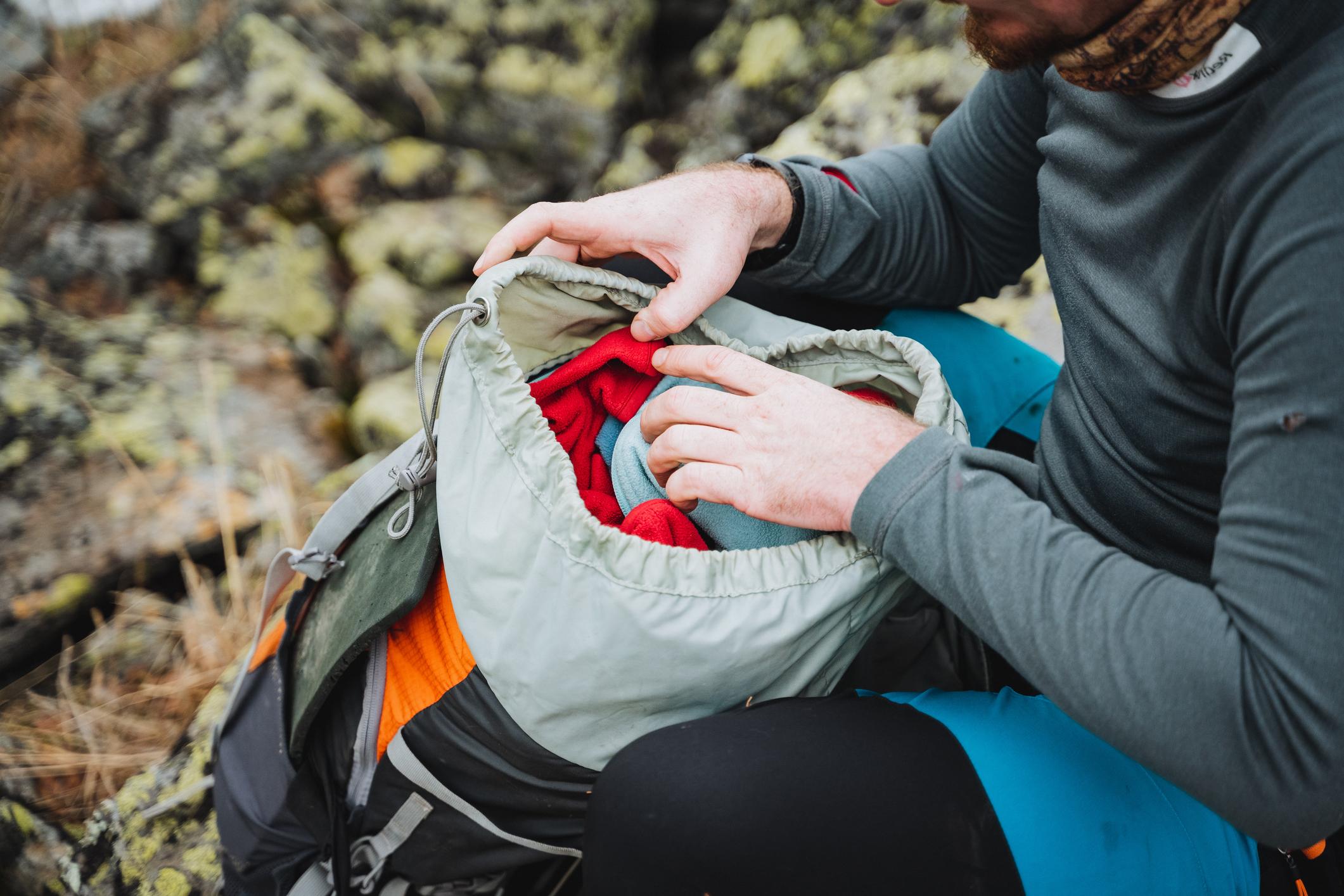
Although weight is an important factor, it needs to be balanced out against practical considerations. Practical considerations include:
- Will I need anything I just stuck at the bottom of my bag any time soon?
- Will I need that medium-weight item in the middle of my bag?
- Do I have easy access to layers, and room to put more away if needed?
- Do I have easy access to my all-important snacks and water?
You don’t want to be that person who has to empty out the entire contents of their rucksack onto the floor as soon as it starts raining to find their waterproof trousers. Nor do you want to be that person who arrives into camp as the sun is setting, to realise you’ve got no idea where you put your head torch. Oops.
Think hard about what stuff you'll need during the day, and make full use of the various compartments in your bag.
Much Better Adventures
Luckily ,manufacturers have been thinking about how to pack a rucksack for years. There’s probably someone out there who literally has that in their job description. So, instead of just one huge compartment, most rucksacks have small pockets in the lid and on the sides. Occasionally you might find pockets in the waist straps too. You should have lots of opportunity to balance out weight vs accessibility of stuff – so there is no excuse to have that metal mug strapped to the outside of your bag! Take it off and save your hiking companions from feeling like they’re walking with a Swiss mountain cow.
Have a good, hard think hard about what stuff you'll need during the day, and make full use of the various compartments in your bag.
Become a Packing Pro: Tips and Tricks
The little things can make all the difference when packing. They don’t really deserve a section in their own right each, but these tiny tips will help you become a rucksack packing pro. Here are our top tips and secrets of the ancient art:
- Most rucksacks aren’t waterproof, even the expedition ones. The easiest way to keep your stuff dry is to get one huge drybag and essentially line the inside of your rucksack with it. Alternatively, a rubble sack (not a bin bag) is much cheaper and will do just as well – plus is easier to fix with duct tape if you get a hole.
- Use clothes and soft items to fill the gaps between stiffer, bigger things. This stops your bag from looking lumpy and saves you space overall.
- On space saving, if you do decide to use several small drybags don’t forget to squeeze as much air out as you can before doing them up.
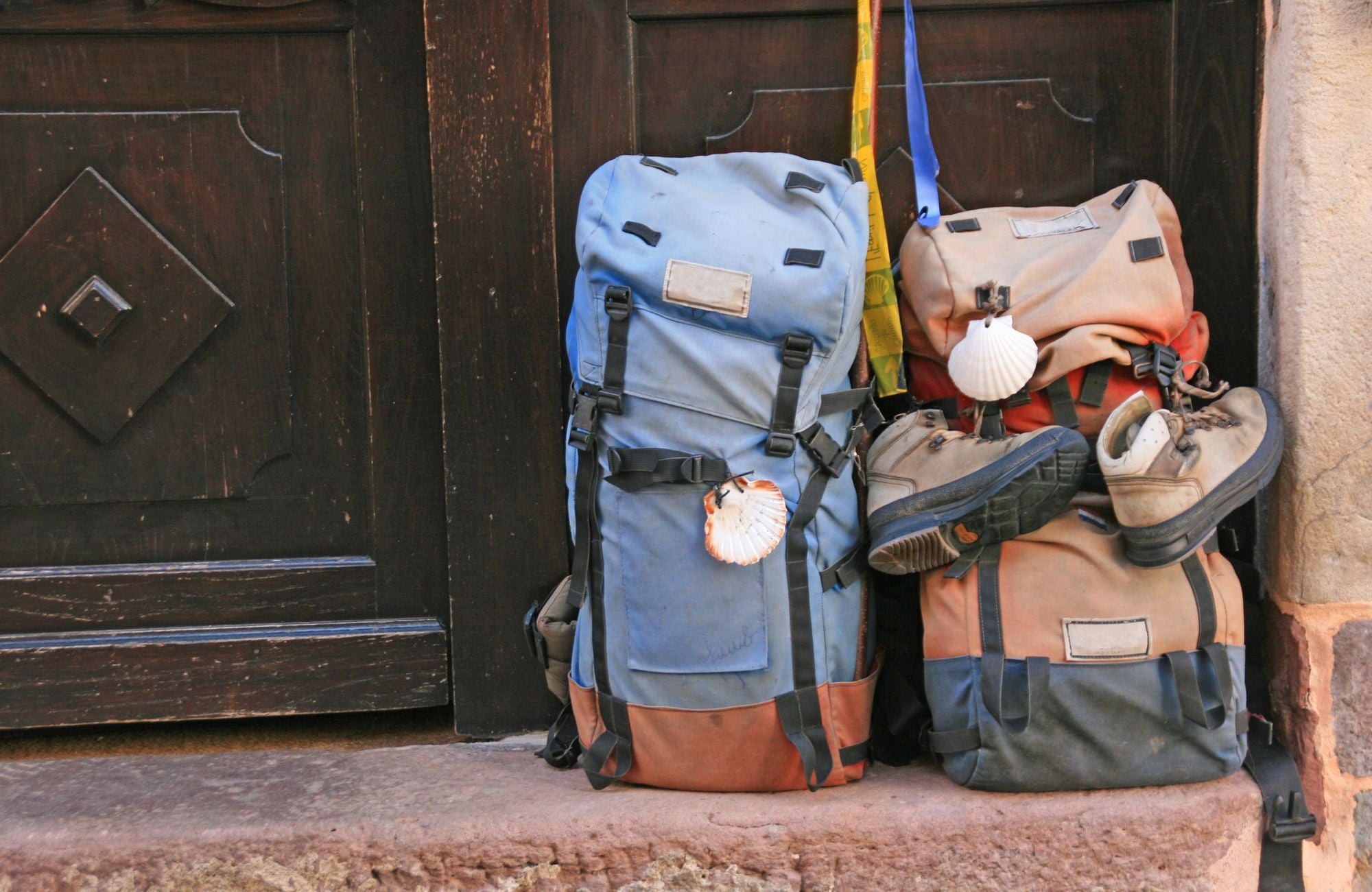
- If you’ve done everything right, your rucksack should be able to stand up of its own accord without falling over. This applies more for big expedition rucksacks than bags for day hikes, but is a great test of balance.
Okay, now we’re ready to move on and look at some examples. We’re going to look at the two main reasons we reckon you might be trying to pack a rucksack: for a day hikes and for a camping trip. Of course, that’s basically just little bag and big bag - so it all still applies if you’re not doing either of those things!
Much Better Adventures
How to Pack a Rucksack for Hiking (1 Day)
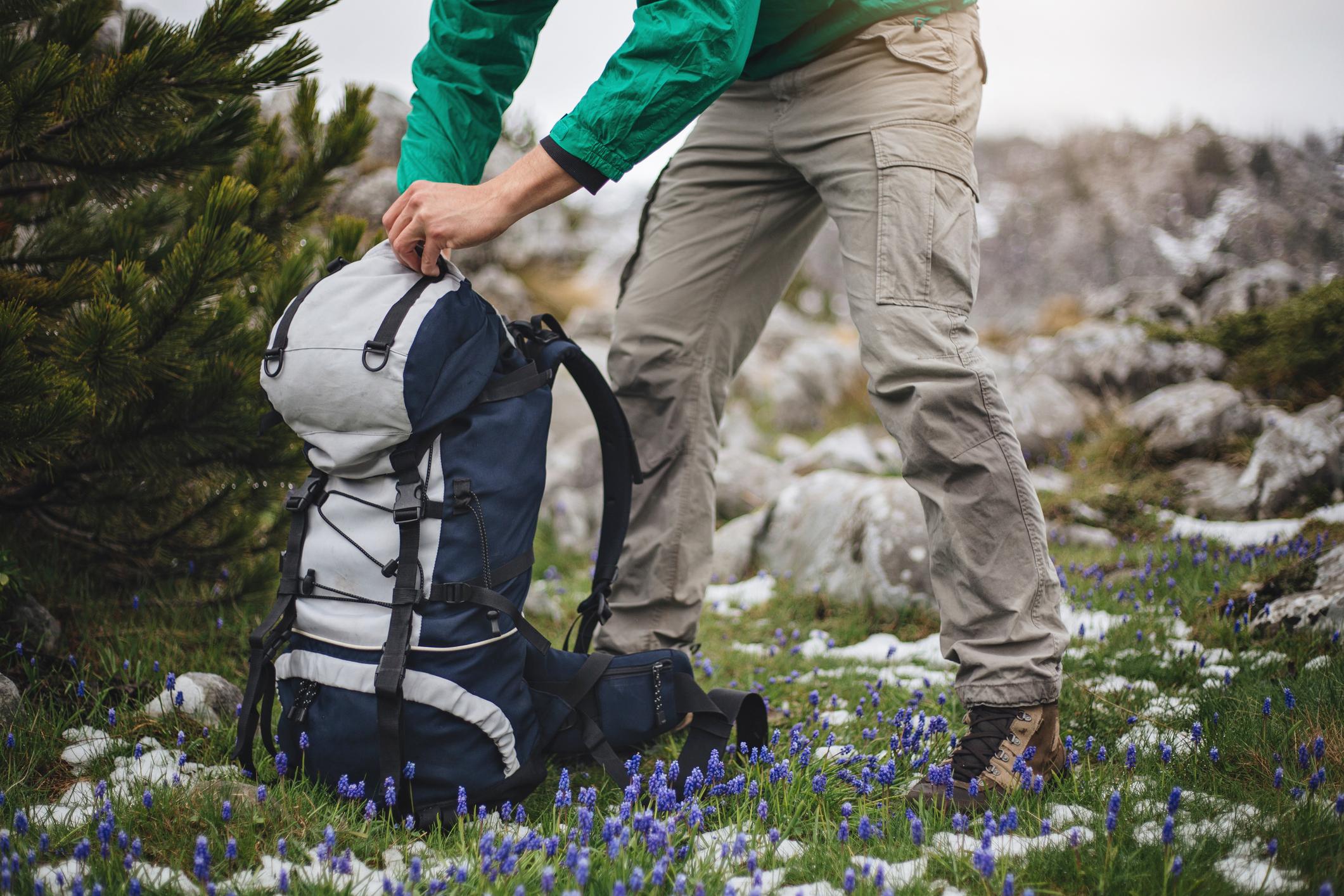
So, you and your mate have decided to go for a hike this weekend. There’s other boring stuff you need to do, like grocery shopping and rearranging your laundry, so you can only go for a day. A little adventure is better than no adventure.
The night before, you find your rucksack (it’s probably about 30 litres) and make a pile of all the stuff you want to take with you on the floor. You fill up your water bottle and maybe even make your sandwiches.
For a small day-hike bag, the weight distribution is less important than on an expedition.
Packing a rucksack for hiking is easy, with a little thought. The best thing to do first is separate what you’ll actually be wearing when you leave the house from what you need to put in a rucksack. There is no point packing your socks to discover you need them on your feet. Now, try to decide what you’ll need least easy access to and is quite heavy. For a small day-hike bag, the weight distribution is less important than on an expedition. You should be more concerned about whether you have to rummage around to find your waterproofs.
Much Better Adventures
Typically, you would put any emergency shelter, spare clothes (that you have no intention of wearing) and emergency food (that you have no intention of eating) at the bottom. Then you might add spare layers you actually plan on wearing, plus your waterproofs on top. How likely it is to rain will affect where you put your waterproofs. There's no point in having them at the top in high summer, when the forecast is all sunshine! If you have a water bladder, put that down the back of the rucksack, otherwise put your bottle in a side pocket for easy access. Then add food, snacks and hats, gloves, compass and map as appropriate in the top or side pockets – basically anything you’re going to need to get to quickly.
And voila! You're ready for some backpack adventures. Anything else you’re bringing can fit somewhere between “never intend to use” and “probably will need these” on the accessibility scale. You’ll find out what works for you and what needs tweaking. This is the start. The more hikes you do, the more you’ll optimise the perfect location for your snacks. Before long, you’ll look like a pro.
How to Pack a Rucksack for Wild Camping
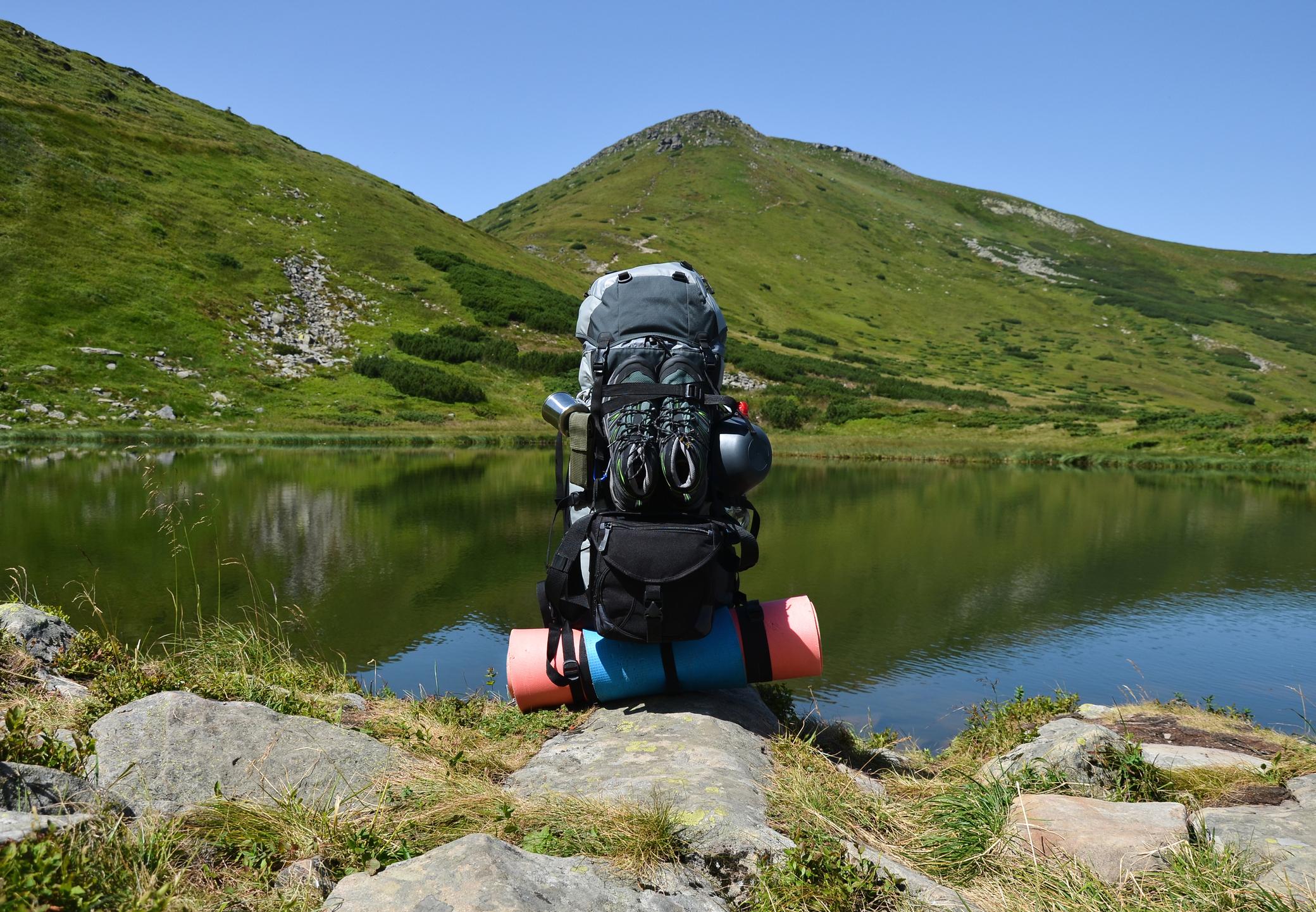
After the success of your day hike, you and your adventurous mate decide to do a hike with an overnight camp. Do your research first - and make sure your wild camping trip is going to be doable, and crucially, legal. Local restrictions vary.
Anyway, wherever you decide to sleep, you need to pack your rucksack to include everything for two days’ walking and camping. So alongside everything else, you’ve also got a sleeping bag, tent, sleeping mat and stove – plus a whole lot more food. You’ll probably have a rucksack that’s around 60 litres and a very big pile of stuff. Right then, here's how to pack a backpack for wild camping.
Much Better Adventures
Again, the best place to start is separate out the clothes you’ll be wearing on the day and fill up any water bottles or sandwich bags. That makes the pile a bit smaller. Next, take your large waterproof liner or dry bag and put it into your bag. If you’ve got a water bladder, put that down the back of the rucksack between the back and the liner (just in case it pops). Since your big rucksack is likely to have waist strap pockets, you can start stuffing snacks into them too.
With your rucksack packed, take the final balance test. You should be able to stand you bag up on its own.
Now, some big rucksacks have zips at the bottom and an opening at the top. This means you can play around with where things go (for example, you can put waterproof trousers at the bottom, outside of the main drybag, for easy access without getting other kit wet and muddy). Like we said before, you’ll end up playing around with how you configure you rucksack the more you do it. But a standard way to start would be putting your tent and sleeping bag at the bottom. Then you might add an inflatable sleeping mat, camping stove and fuel. After this, you might add spare clothes and waterproofs on top.
Food is best stored in side pouches and the top pocket. Some rucksacks will have an inside pocket on the lid and an outside one. The inner is great for keeping camping things like cutlery and ration packs, as well as valuables you want to stay safe and dry. The outer is good for torches, gloves, hats, maps and compasses – all things you’re likely to want to get without the faff of taking your bag off. Oh, and more food.
With your rucksack packed, take the final balance test. You should be able to stand you bag up on its own. It might take a bit of wriggling – and it certainly helps if you’ve strapped a roll mat to the outside for stability (read: cheating) – but it should stand. If it keeps toppling over really easily, then you’ve probably got a lot of weight on one side and that’ll give you a sore shoulder. It might be worth a re-pack. If it stands tall, then - just maybe - you're now a packing pro.
Inspired? Check out our full range of trekking holidays now!